Drawing-based geometry
Manufacture from controlled dimensions, interfaces and installation envelopes.
Close-fitting formed shields developed for turbocharger and hot-side engine packaging.
Custom turbocharger heat shields for compact hot-side packaging, nearby component protection and OEM exhaust thermal management.
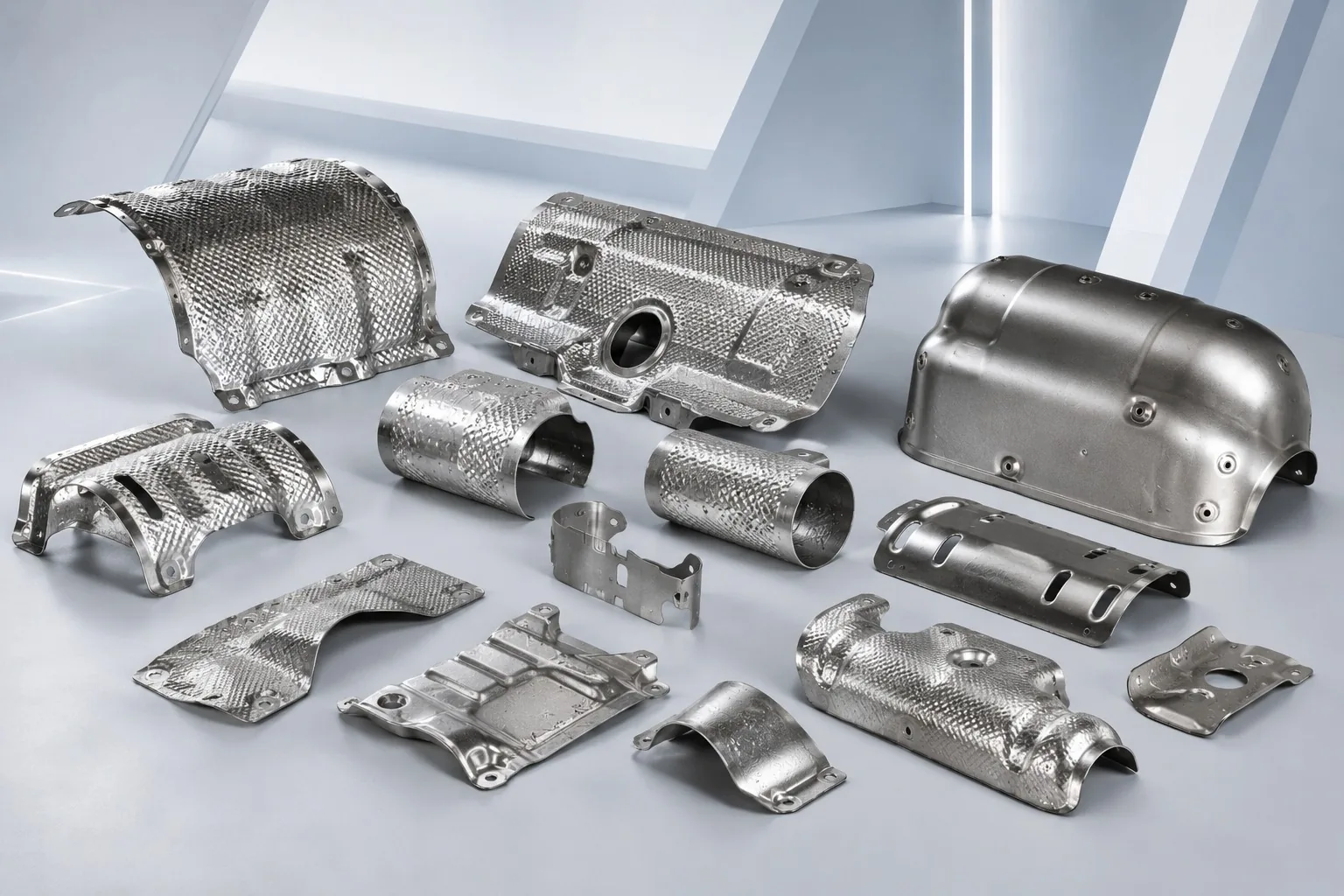
Geometry, material, layer construction, mounting and inspection requirements are reviewed as one controlled project.
Manufacture from controlled dimensions, interfaces and installation envelopes.
Compare material options against temperature, corrosion, vibration and cost.
Agree sample, tooling and validation stages before volume production.
Maintain approved drawings, workmanship criteria and inspection records.
Select practical protection, labeling and documentation for shipment.
Resolve technical questions before quotation and production release.
| Material / construction | Selection advantage | Typical application |
|---|---|---|
| 304 stainless steel | Corrosion resistance and formability | Exhaust and industrial shields |
| 409 stainless steel | Heat cycling and automotive economy | Vehicle exhaust systems |
| 430 stainless steel | Formability and cost balance | General thermal shielding |
| Aluminized steel | Reflective surface and value | Project-dependent exhaust parts |
Final material limits and compatibility must be confirmed from the supplier datasheet and the buyer’s actual continuous/peak temperature, exposure and validation requirements.
Send the mating envelope, hot-surface data and nearby clearance restrictions. We will review manufacturability before quoting.
Existing product images are shown for capability reference; customer-specific geometry remains confidential.


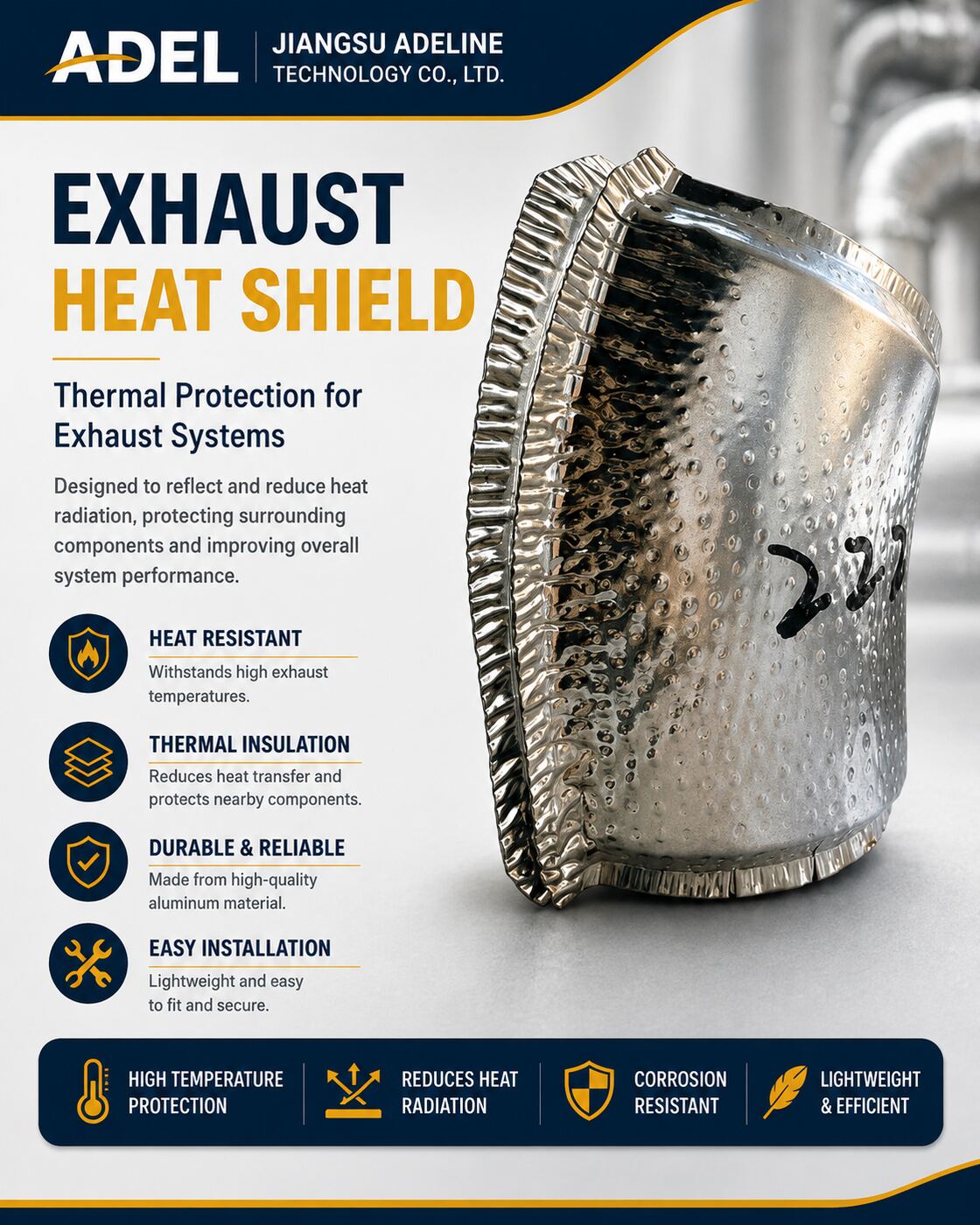

Please send the 2D drawing or 3D model, material requirement, operating and peak temperature, quantity, application, destination country and validation requirements.
Yes. A sample can support feasibility review, but controlled drawings and acceptance criteria are recommended for repeat production.
Yes. The engineering team can review common 2D and 3D formats and identify missing dimensions, interfaces and manufacturability questions before quotation.
Yes. Selection depends on temperature, geometry, exposure, installation space, durability target and the buyer’s approved specification.
Inspection can include incoming material verification, dimensions, workmanship, fit checks and project-specific records agreed before production.
Prototype and sample stages can be planned according to tooling, geometry, quantity and the buyer’s validation process.
For an accurate review, include drawings, operating conditions, annual quantity and delivery destination.